Master cataloguePrice updated onceLive in-store & web
01
Product Setup
Products and pricing are set up once and synced across every channel, so a price change doesn't mean updating three separate systems.
Stores, e-commerce, and inventory connected, scoped to fit a single shop or a growing chain.
Zapledge builds the software, automation, and AI systems that connect POS, e-commerce, inventory, and customer loyalty for retailers. AI in retail isn't just for large chains with big budgets, we scope every build to the size of the business, so a single-location shop gets the same connected system as a multi-outlet operator, just sized to fit.
Get Free ConsultationA retail business runs on keeping stock, sales, and customers in sync, in the store and online. What usually slows a retailer down isn't a lack of sales, it's inventory, orders, and customer data living in disconnected systems that don't talk to each other. Here's where we connect them.
One connected retail operating layer
Product catalogue, pricing, orders, POS workflows, customer accounts, and promotions, so a sale is recorded the same way whether it happens in-store or online.
Together, these five pillars connect commerce, inventory, and customers into one system, so growth doesn't mean juggling more disconnected tools.
Together, these five pillars connect commerce, inventory, and customers into one system, so growth doesn't mean juggling more disconnected tools.
There's a common assumption that AI in retail is only for chains with big budgets and dedicated tech teams. That's not how we scope it.
A single automation, like low-stock alerts or abandoned-cart follow-ups, is a realistic starting point for an independent retailer, not just a large chain. We scope every engagement to the size of the business and its actual budget, so you're not paying for enterprise capability you don't need to solve the problem in front of you.
Modular architecture that starts with one location or e-commerce shop and scales as your footprint grows.
Start with high-ROI automations like replenishment alerts or unified reporting before full-suite builds.
AI surfaces demand forecasts and reorder suggestions; final pricing and stocking decisions stay 100% yours.
Inter-store stock transfer recommendations, omnichannel customer loyalty points, cross-channel returns, and natural-language sell-through reporting.
These are the problems we hear most often from store owners, multi-outlet operators, and retail managers before we start working together, and how we address each one.
Each of these fixes plugs into the same underlying system, so solving one bottleneck doesn't create a new tool your team has to check separately.
MODULES
A typical retail engagement draws from these module groups, scoped to what your store or chain actually needs rather than deployed all at once.
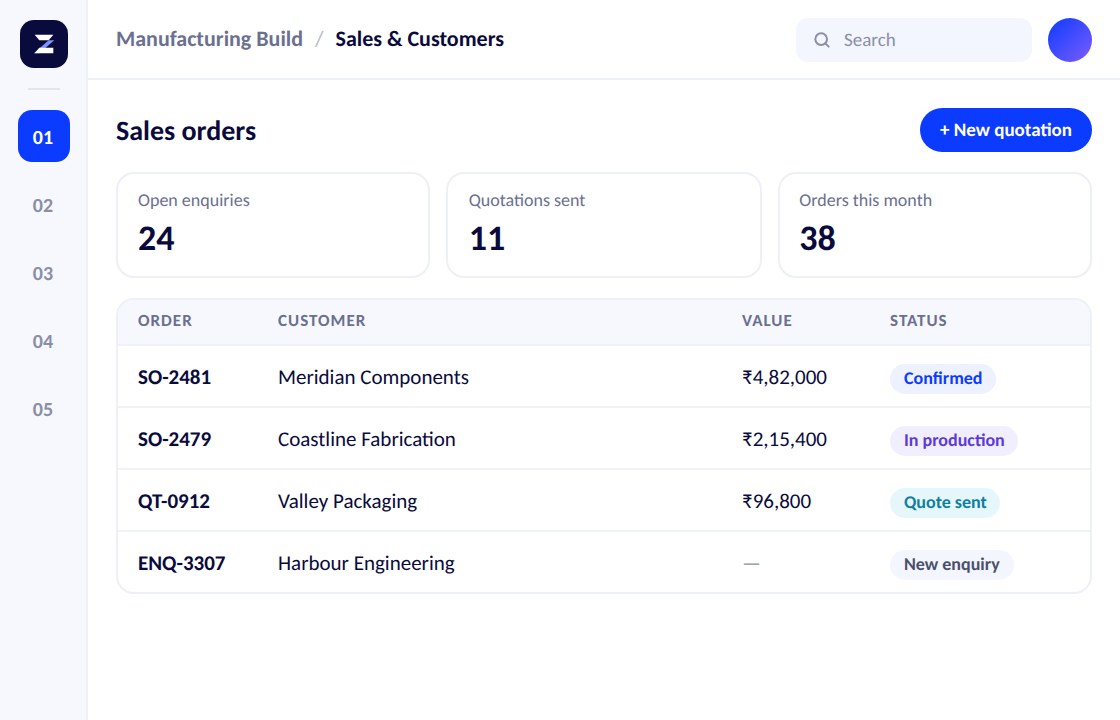
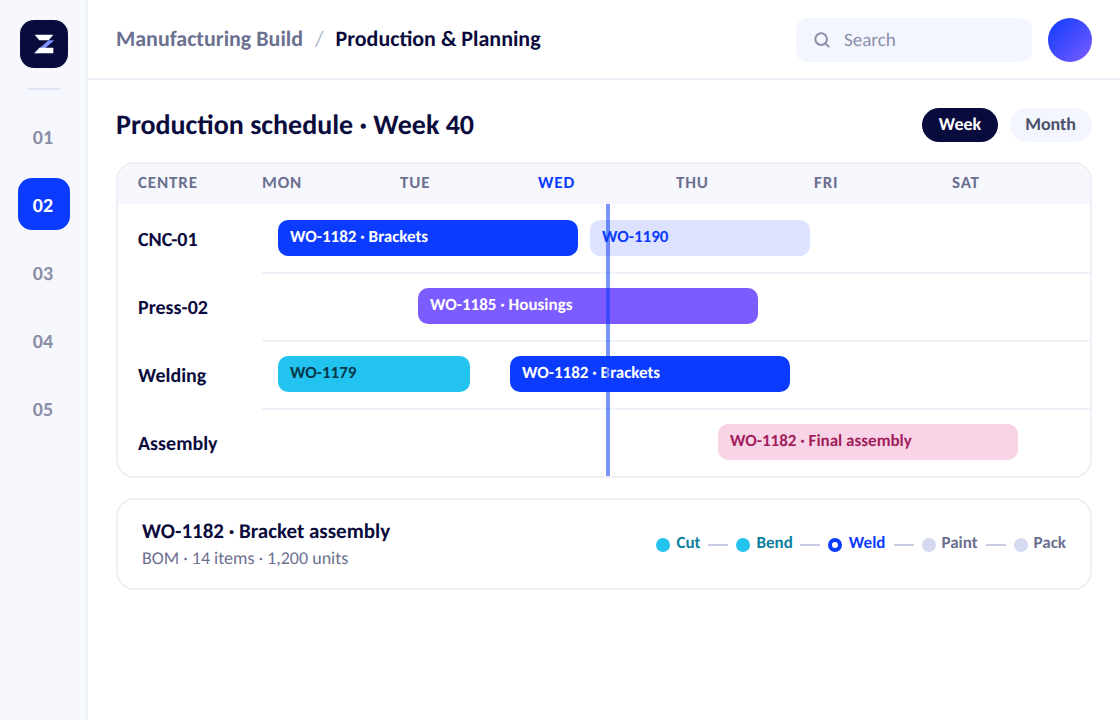
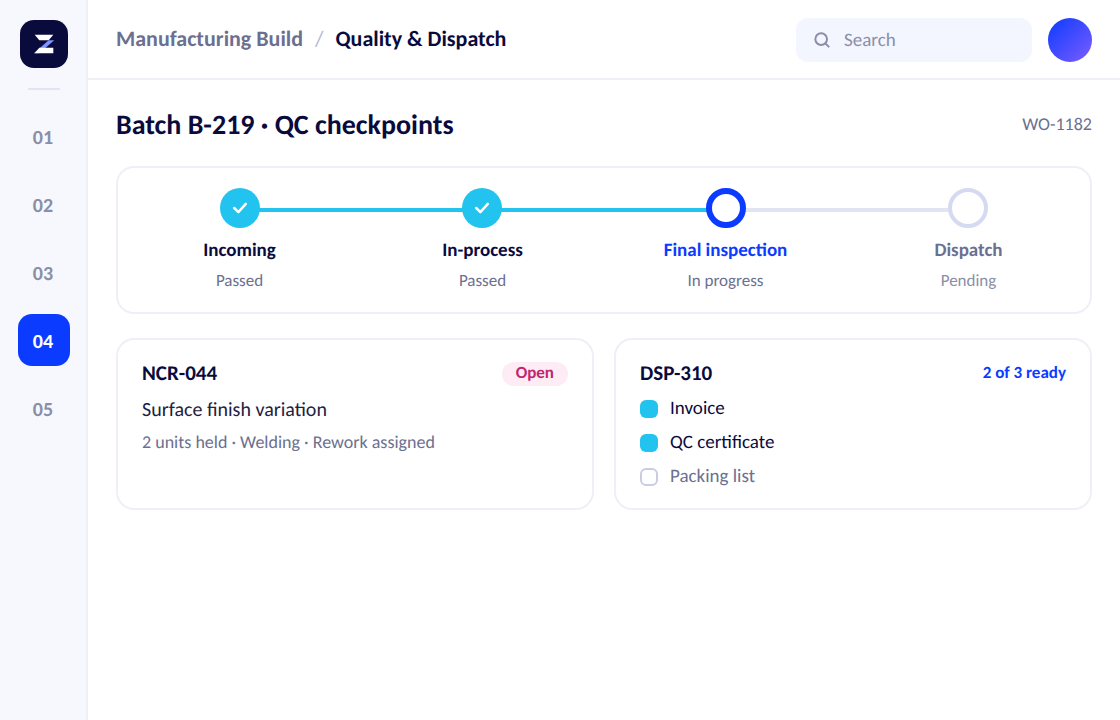
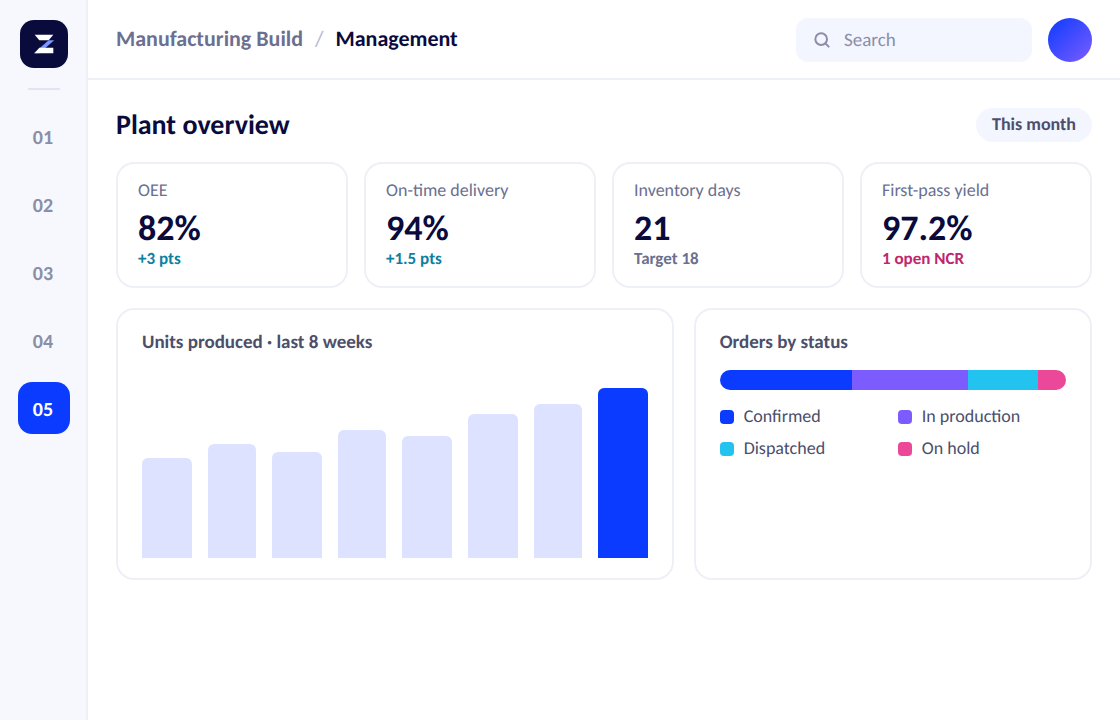
Order management, inventory and warehouse, and procurement, connecting what you sell to what you have and what you need to reorder.
We map this against how your store or chain actually operates, in-store and online, before we build anything.
Products and pricing are set up once and synced across every channel, so a price change doesn't mean updating three separate systems.
Purchase orders and inbound stock are tracked against actual demand, with replenishment suggestions based on real sales patterns.
Inventory levels are visible in real time across locations, with transfer suggestions when one store is overstocked and another is running low.
Sales are recorded consistently whether they happen at the register or online, feeding the same inventory and customer records.
Orders move through fulfilment and delivery or pickup coordination, with status visible to both staff and customers.
Returns and exchanges are routed and processed against a clear policy, with customer service backed by support copilot assistance for routine questions.
Purchase history feeds loyalty, segmentation, and promotions, so repeat business is built on actual customer behavior, not guesswork.
Tell us where inventory, orders, or customer service is slowing your team down. We'll map the process and show you exactly where automation and AI can help, scoped to fit your store's actual size and budget.